Basic Calla Lily Facts
So you've got a calla lily. Elegant, right? That sleek, trumpet-shaped 'flower' has been a big deal for centuries... but it's a bit of a diva. And it isn't even a flower. Or a lily. Let's figure out what this plant really is and what it wants from you.
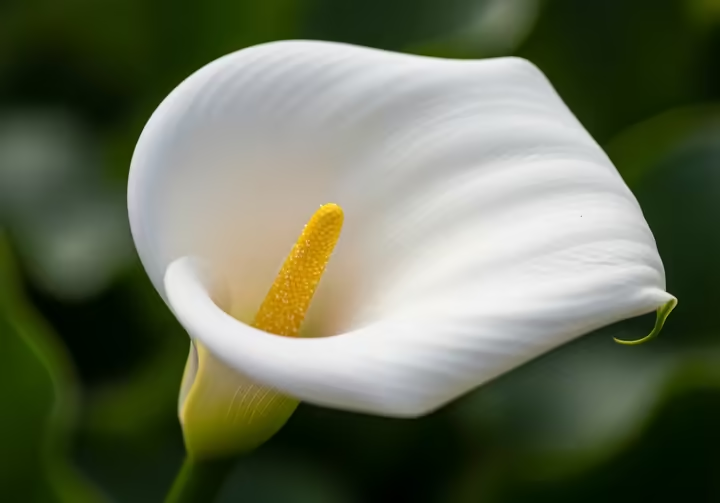
What Is a Calla Lily, Anyway?
First things first: the calla lily is not a real lily. At all. It belongs to the Araceae family, which makes it a cousin of houseplants like the peace lily and philodendron. This is the most important fact to know, because it affects everything from watering to toxicity.
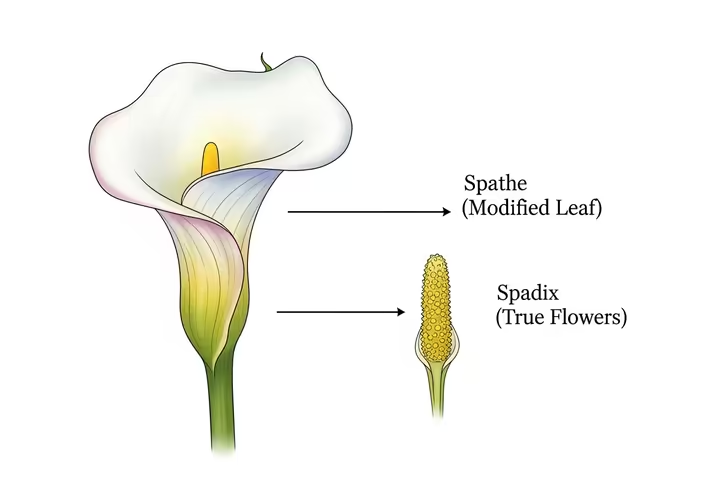
That thing you think is a flower isn't one. The colorful, funnel-shaped part is just a modified leaf called a spathe. The real flowers are the tiny bumps clustered on the central spike, which is called a spadix.
Its symbolism is all over the place. Christians connect the white calla to purity and resurrection, making it popular for Easter, weddings, and funerals. But ancient Romans looked at the central spike and thought of sexuality and fertility. So, you know... it's versatile.
The Two Types of Calla
All calla lilies, genus Zantedeschia , come from southern Africa. But they adapted to different environments, which created two distinct groups of callas. Knowing which one you have is the key to keeping it alive.
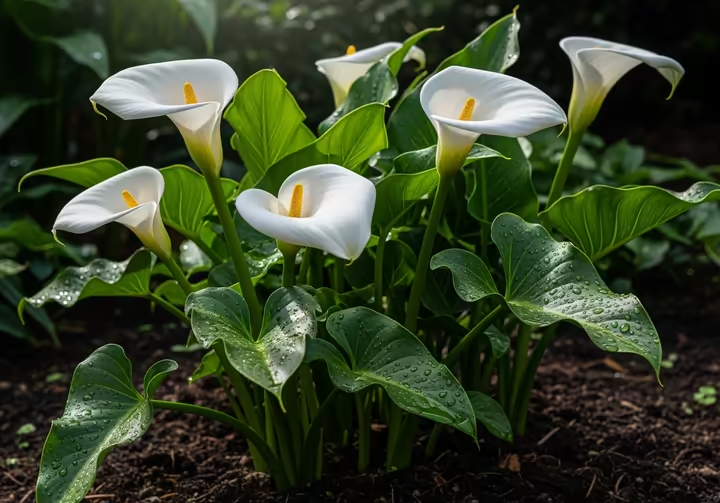
The Swamp Dweller: White Callas
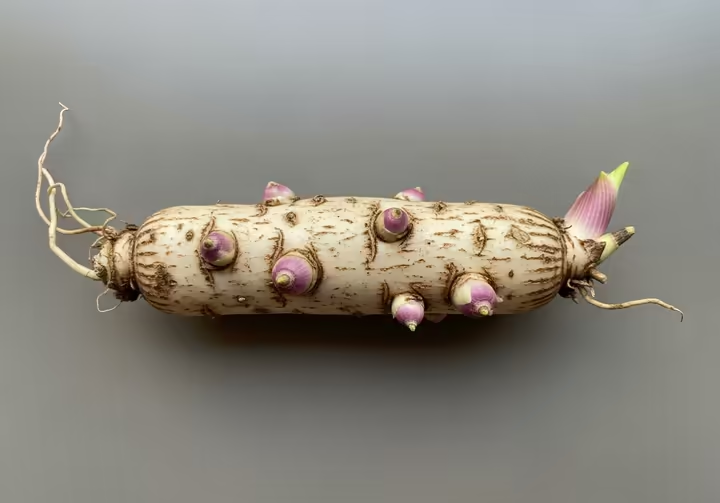
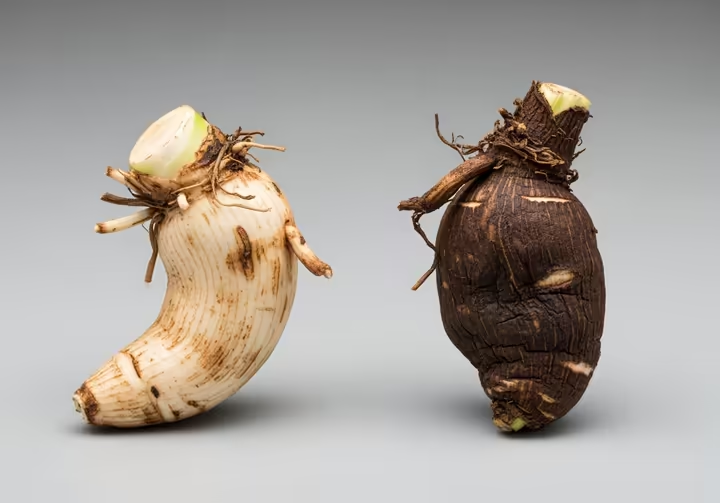
This is your classic big, white arum lily ( Zantedeschia aethiopica ). It grows from a thick, fleshy rhizome and is a natural bog plant. This one loves water and can handle consistently moist, even wet, soil.
The Uplanders: Colorful Hybrids
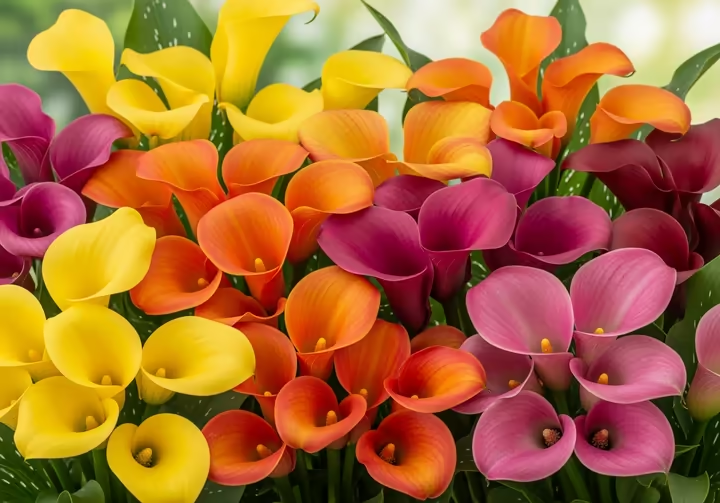
These are the flashy ones, in vibrant yellows, oranges, pinks, purples, and even near-black. They grow from a more rounded, tuber-like rhizome and are used to climates with a dry season. These hybrids hate wet feet and will rot if their soil is kept too wet, so they need great drainage and a dry resting period.
The Calla Life Cycle: Grow, Rest, Repeat
Are calla lilies perennials? Yep. The underground rhizome can live for many years, sending up new growth each season. But they're "tender" perennials, which means they can't handle freezing temperatures.
In warm climates (USDA zones 8 and up), you can leave them in the ground all year. In colder areas, you have to dig up the rhizomes in the fall and store them somewhere cool and dry for the winter. Or, you can just treat them as annuals and buy new ones next year.
After flowering, the leaves will turn yellow and die back. Don't panic! This is normal. The plant is just sending its energy back down to the rhizome to prepare for a long nap, called dormancy. This rest is absolutely essential for next year's flowers.
How to Keep It Alive Indoors
Light
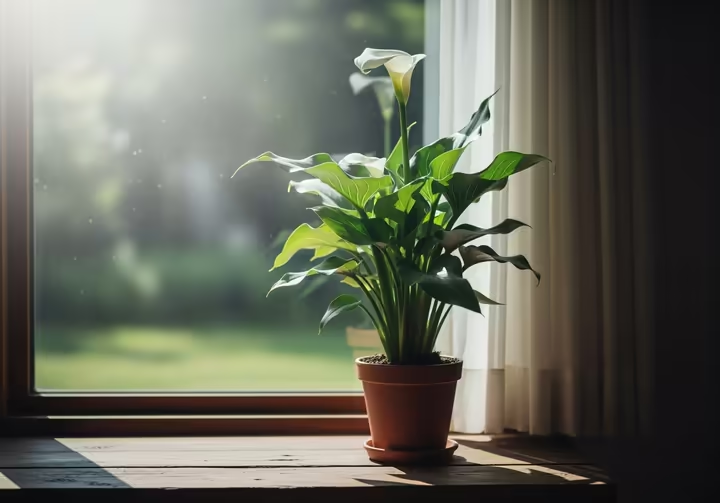
Calla lilies need at least six hours of bright, indirect sunlight every day. An east-facing window with gentle morning sun is perfect. Too little light leads to long, weak stems and no flowers, while harsh direct sun can scorch the leaves.
Watering
During the growing season, keep the soil consistently moist but not soggy. If the top inch of soil feels dry, it's time to water. For the colorful hybrids, soggy soil is a death sentence, so never let them sit in a saucer full of water.
As the leaves turn yellow after flowering, slowly reduce watering. Once the plant is dormant, stop watering almost entirely until it's time to wake it up again.
Soil and Potting
Use a high-quality, peat-based potting mix that drains well. Adding perlite or coarse sand helps prevent the soil from getting waterlogged, which is the main cause of rot. Repot once a year with fresh soil after the dormancy period is over.
Temperature and Humidity
Callas are happy in normal household temperatures, between 60°F and 80°F (16°C to 27°C). Keep them away from cold drafts. They can handle average humidity but appreciate an occasional misting, especially in dry homes.
Fertilizer
To get good blooms, feed your calla lily every few weeks during its growing season. Use a balanced liquid fertilizer that is low in nitrogen (the first number). Too much nitrogen gives you great leaves but no flowers.
What's Wrong With My Plant?
Leaf Problems
Yellowing leaves can mean a few things. If the soil is soggy, you're overwatering. If it's bone dry, you're underwatering. But most often, it just means the plant is naturally entering its dormant period. Brown, crispy leaf tips are usually caused by low humidity or too much fertilizer.
Flowering Problems
No flowers? The number one cause is skipping the plant's dormant period - it needs that rest to store up energy. Other culprits are not enough light or using a fertilizer with too much nitrogen.
Pests and Diseases
Indoors, watch out for common pests like aphids and spider mites, which can be wiped off or treated with insecticidal soap. The real killer is rhizome rot. This is caused by overwatering and poor drainage, which turns the rhizome into a foul-smelling mush. Good watering habits are the only defense, as rot is almost always fatal.
Warning: Don't Eat This Plant! (Especially if you're a cat)
It is very important to know that calla lilies are toxic. Are they poisonous to cats? An emphatic YES. All parts of the calla lily plant are toxic to cats, dogs, and humans if chewed or swallowed.
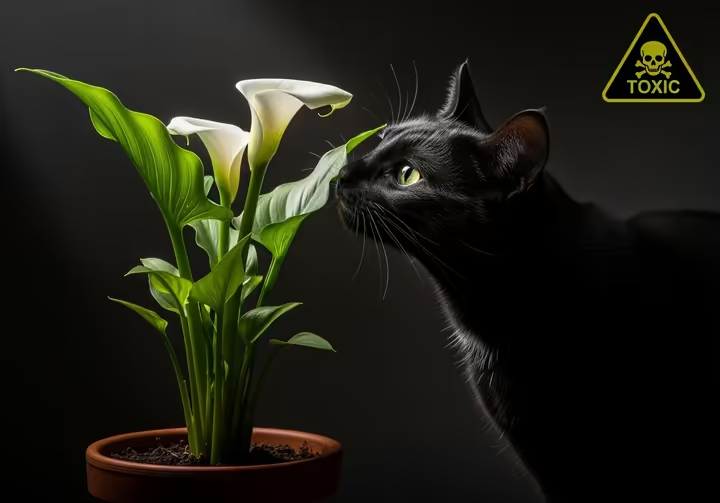
The plant's tissues are full of microscopic, needle-like crystals of insoluble calcium oxalate. When chewed, these crystals embed themselves in the mouth and throat, causing immediate and intense pain, swelling, drooling, and vomiting.
While this is extremely painful, it is different from the poison in true lilies ( Lilium species), which causes fatal kidney failure in cats. Still, because of the severe pain, you must keep calla lilies well out of reach of pets and small children.
Making More Calla Lilies
One of the best things about calla lilies is how easy they are to propagate. The simplest way to make new plants is by dividing the underground rhizomes. This is also good maintenance, as dividing the clump every few years keeps the plant healthy and blooming well.
The best time to divide is at the end of the dormant period. Carefully take the rhizome clump from the pot and gently break it into smaller sections. For tougher clumps, use a clean, sharp knife.
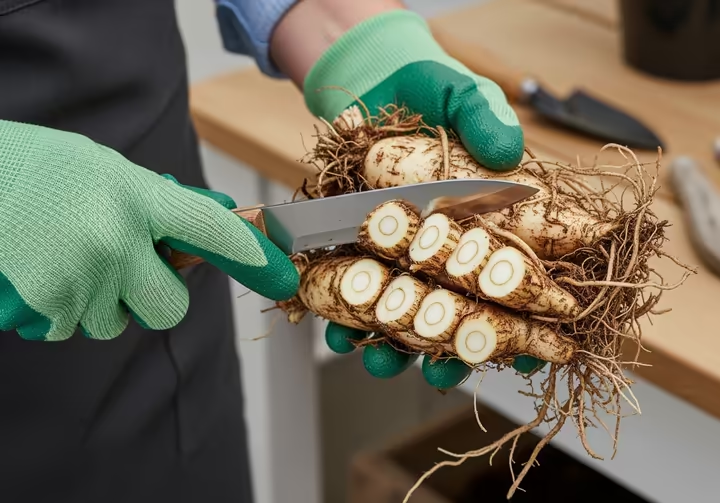
Make sure each new piece has at least one "eye," or growing point. Let the cut pieces dry for a day or two to form a callus, which helps prevent rot. Then, plant the new divisions in fresh soil to start a new plant.
Conclusion
The calla lily is a stunning plant that brings a bit of elegance to any room. It's not a true lily, and its happiness depends on you understanding its natural rhythm.
Remember the basics: know if you have the water-loving white type or a colorful hybrid that needs drainage. Give it good light, and most importantly, let it have its winter nap. Get that right, and you'll be rewarded with those amazing blooms year after year.
Works cited
- Zantedeschia aethiopica | PlantZAfrica, https://pza.sanbi.org/zantedeschia-aethiopica
- Unveiling the Mystic Aura of “Schwarzwalder” Black Calla Lilies - Whole Blossoms, https://www.wholeblossoms.com/wedding-flowers-blog/unveiling-the-mystic-aura-of-schwarzwalder-black-calla-lilies/
- Zantedeschia aethiopica - Plant Finder - Missouri Botanical Garden, https://www.missouribotanicalgarden.org/PlantFinder/PlantFinderDetails.aspx?kempercode=a475
- What Is the Meaning Behind Calla Lily Flowers? (And 7 Occasions To Send Calla Lilies), https://www.overnightflowers.com/blogs/onf-blog/what-is-the-meaning-behind-calla-lily-flowers-plus-7-occasions-to-send-calla-lilies
- Zantedeschia - Wikipedia, https://en.wikipedia.org/wiki/Zantedeschia
- www.gardensbythebay.com.sg, https://www.gardensbythebay.com.sg/en/learn-with-us/explore-resources/whats-blooming/calla-lilies.html#:~:text=The%20calla%20'flower'%20is%20actually,bearing%20male%20and%20female%20florets.
- The Ultimate Guide to Spadix Anatomy - Number Analytics, https://www.numberanalytics.com/blog/ultimate-guide-spadix-plant-anatomy
- What Is Calla Lily Flower? Its History And Symbolisms - Lotus Fun, https://www.lotusfun.com/blogs/lotusfun/what-is-calla-lily-flower-its-history-and-symbolisms
- Calla Lily: Meaning of Different Colors and Symbolism - Lively Root, https://www.livelyroot.com/blogs/plant-care/calla-lily-meaning-of-different-colors
- History and Symbolism of Calla Lilies – Blossmcart Flowers, https://blossmcart.com/blog/historical-meaning-of-calla-lilies/
- weeds.org.au, https://weeds.org.au/profiles/arum-lily-calla/#:~:text=Although%20commonly%20known%20as%20the,tiny%20flowers%20(POWO%202019).
- Calla Lily | San Diego Zoo Animals & Plants, https://animals.sandiegozoo.org/plants/calla-lily
- Calla | Description, Species, & Facts - Britannica, https://www.britannica.com/plant/calla
- Zantedeschia (Calla Lily) - Gardenia.net, https://www.gardenia.net/genus/zantedeschia-calla-lily
- en.wikipedia.org, https://en.wikipedia.org/wiki/Zantedeschia#:~:text=Zantedeschia%20(%2F%CB%8Cz%C3%A6n,every%20continent%20other%20than%20Antarctica.&text=Spreng.
- Calla Lily - Zantedeschia - Plant Delights Nursery, https://www.plantdelights.com/collections/calla-lilies-bulbs-for-sale-zantedeschia-lily
- Calla Lily Care: Planting, Growing & Maintaining Vibrant Blooms ..., https://www.gardendesign.com/flowers/calla-lilies.html
- A Guide to Indoor & Outdoor Calla Lily Care - Anawalt Lumber Blog, https://blog.anawaltlumber.com/calla-lily-care/
- Learn How To Plant, Care and Grow Magnificent Calla Lilies - Gardenia.net, https://www.gardenia.net/guide/learn-how-to-plant-and-care-for-your-calla-lilies
- Indoor Calla Lily Care - Rooted Flowers, https://rootedflowers.com/blogs/farm-journal/indoor-calla-lily-care
- Easy Fixes for Calla Lilies That Won't Bloom | Gardener's Path, https://gardenerspath.com/plants/flowers/calla-lily-not-bloom/
- How To Care For An Indoor Calla Lily Plant - Blossoming Gifts, https://www.blossominggifts.com/blog/care-indoor-calla-lily-plant/
- Green Calla Lily Flowers - Reasons For Calla Lilies With Green Blooms, https://www.gardeningknowhow.com/ornamental/bulbs/calla-lily/green-calla-lily-blooms.htm
- Growing and Caring for Calla Lily - The Ultimate Guide - Proven Winners, https://www.provenwinners.com/learn/how-to/calla-lily
- Calla lily: meaning & how to plant and propagate - Plantura Magazin, https://plantura.garden/uk/flowers-perennials/calla-lilies/calla-lily-overview
- www.gardeningknowhow.com, https://www.gardeningknowhow.com/houseplants/hpgen/indoor-calla-lilies.htm#:~:text=Make%20sure%20your%20container%20has,soil%20can%20foster%20fungal%20disease.&text=Calla%20lilies%20thrive%20in%20temperatures,in%20a%20couple%20of%20ways.
- Calla Lily Care Guide - House Plant Shop, https://houseplantshop.com/blogs/plant-care/calla-lily-care-guide
- 4 Reasons Why Your Calla Lily Won't Bloom - Backyard Boss, https://www.backyardboss.net/why-calla-lily-wont-bloom/
- Calla and canna lilies - University of Minnesota Extension, https://extension.umn.edu/flowers/calla-and-canna-lilies
- Why Is My Calla Lily Struggling? Common Issues and Solutions - Gardenia.net, https://www.gardenia.net/guide/why-is-my-calla-lily-struggling
- Help For Yellowing Calla Lilies: Why Calla Lily Leaves Turn Yellow - Gardening Know How, https://www.gardeningknowhow.com/ornamental/bulbs/calla-lily/yellow-calla-lily-leaves.htm
- Calla lily care: watering, fertilising & pruning - Plantura Magazin, https://plantura.garden/uk/flowers-perennials/calla-lilies/calla-lily-care
- Why are my peace lily flowers turning green? : r/houseplants - Reddit, https://www.reddit.com/r/houseplants/comments/1clxnvv/why_are_my_peace_lily_flowers_turning_green/
- Learn About Calla Lillies - Burpee, https://www.burpee.com/blog/encyclopedia__callalilly-article.html
- Calla / Floriculture and Ornamental Nurseries / Agriculture: Pest ..., https://ipm.ucanr.edu/agriculture/floriculture-and-ornamental-nurseries/calla/
- Calla Lily (Zantedeschia spp.)-Soft Rot - Pacific Northwest Pest Management Handbooks |, https://pnwhandbooks.org/plantdisease/host-disease/calla-lily-zantedeschia-spp-soft-rot
- How to Treat Leaf rot Disease on Calla lily? - PictureThis, https://www.picturethisai.com/disease/Zantedeschia-aethiopica-Leaf-rot.html
- Calla Lily | ASPCA, https://www.aspca.org/pet-care/aspca-poison-control/toxic-and-non-toxic-plants/calla-lily
- Calla Lily Poisoning in Cats - Symptoms, Causes, Diagnosis, Treatment, Recovery, Management, Cost - Wag!, https://wagwalking.com/cat/condition/calla-poisoning
- Calla Lily Are Toxic To Pets | Pet Poison Helpline®, https://www.petpoisonhelpline.com/poison/calla-lily/
- Cala lily, arum lily, pig lily, lirio calla - Guide to Poisonous Plants – College of Veterinary Medicine and Biomedical Sciences – Colorado State University, https://poisonousplants.cvmbs.colostate.edu/plant/135
- Easter Lilies | Pet Poison Helpline®, https://www.petpoisonhelpline.com/pet-owners/seasons/easter/
- Zantedeschia aethiopica (African Lily, Altar Lily, Arum Lily, Brosimun aethiopica, Calla aethiopica, Calla Lily, Egyptian Lily, Florist's Calla, Garden Calla, Lily Of The Nile, Pig Lily, Trumpet Lily, White Arum Lily) - Plant Toolbox, https://plants.ces.ncsu.edu/plants/zantedeschia-aethiopica/
- How to Propagate Calla Lilies by Seed and Division - Gardener's Path, https://gardenerspath.com/plants/flowers/how-to-propagate-calla-lilies/